Where Should You Place Security Cameras on a Plainview, Long Island Home?
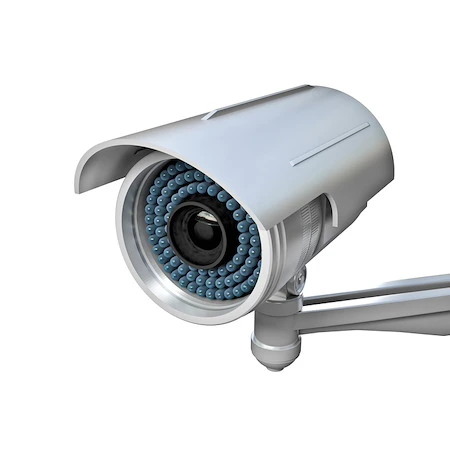
If you want real protection from package theft and late-night driveway visits, the first step is smart planning for security camera installation in Plainview, Long Island. The layout of homes in Plainview and nearby Old Bethpage and Hicksville varies a lot, so ideal placement depends on your entrances, driveway sightlines, and lighting. For a clean, hard‑wired setup that stays reliable through hot, humid summers and icy winters, our security camera installation team at Wireman Cableman designs a plan around how people actually approach your home.
Below, you’ll find the best camera locations, how to choose between front door and driveway coverage, and a few proven deterrence tactics. Keep in mind that every property is unique and conditions change with the seasons on Long Island, so a professional walkthrough helps you avoid blind spots and poor angles.
Start With The Highest-Risk Areas
Most incidents happen along the paths people already use. That means front entries, rear entries, and the driveway are your top priorities. In Plainview, many capes and split-levels have a short front walkway and garage-forward design, so thoughtful coverage of that approach is key.
Front Door And Porch
Your front door is the hub for deliveries and face-to-face activity. A doorbell camera is great for ID, but pair it with a second view from the eave or corner to watch the approach and see where visitors come from. **Mount exterior cameras between 8 and 10 feet high** so they capture faces without being easy to reach.
Driveway And Garage
Cars, tools, and packages placed near the garage are common targets. A camera at the garage corner, angled across the driveway toward the street, can capture vehicles entering and leaving. If the garage door sits back from Manetto Hill Road or a curved cul‑de‑sac, a wider field of view helps catch plates and motion where cars slow down.
Back Door, Patio, And Side Gates
Rear entries are often less lit and more private. Place a camera to see the handle and the step or patio surface, and add cross‑coverage from the back corner of the house to catch movement along the fence line and side yard gates.
Front Door Versus Driveway: Which Comes First?
Many Plainview homeowners ask which is more important: front door or driveway. The best answer is usually both, but if you must pick one to start:
- Choose the front door first if package theft, unexpected visitors, or weekday contractor check‑ins are your top concerns.
- Choose the driveway first if you park outside, have a wide street view, or have had car rummaging or overnight activity.
In either case, aim for a camera that sees people arriving before they reach the door or vehicle. Cross‑coverage from the opposite corner is even better, since it helps with identification from two angles.
Placement Principles That Work On Long Island
Weather, light, and insects affect image quality across Nassau County. Use these plain‑English rules when planning your layout:
- Keep cameras under eaves or soffits to limit rain and snow glare, especially during windy nor’easters off the coast.
- Avoid pointing directly into sunrise or sunset. **Backlight ruins detail** and can wash out faces.
- Don’t mount next to a bright porch light that attracts spiders. Webs wave and trigger motion at night.
- Angle cameras so they see your property and entry paths. Respect your neighbors’ privacy by avoiding direct views into windows.
- For identification, cover the final 10 to 15 feet before a door, not just the doorstep itself.
Plainview weather swings fast. Fall storms and winter ice often blow rain or snow sideways, so cameras set back under the eave or porch ceiling keep lenses clearer and reduce false alerts. A slightly lower angle can also help cut headwear shadows on chilly evening visits.
The Best Spots By Home Feature
Classic Cape Or Split-Level
These homes often have a short driveway and a front stoop. One camera at the garage corner can cover the driveway and sidewalk approach. Pair it with a porch camera that watches the path from curb to door for face detail.
Colonial Or Center-Hall Layout
With a deeper front yard, you may need two front views: one wide camera high on the front corner to catch the approach and one closer to the door for clear ID. A third camera covering the rear slider or deck can prevent unnoticed backyard entries.
Homes Near Bethpage State Park Trails Or Greenways
Foot traffic rises during spring and summer. Aim a backyard camera to see the gate and fence line. Avoid aiming through mesh fencing, which can confuse focus at night.
Deterrence Tips That Make Cameras More Effective
Good placement is half the win. Make your system visible and hard to ignore.
Use lighting and signage that supports your cameras. A simple yard sign near the walkway and a motion light that comes on before visitors reach the stoop create a strong stop‑and‑look moment. **Make the camera visible from the street** so passersby know you record the approach. If you want alarm integration or extra coverage at night, see how it pairs with our home surveillance installation solutions.
For more context on how cameras help day to day, this short read on the benefits of home security cameras explains why residents across Nassau place them early in the season.
Avoid These Common Placement Mistakes
Even a great camera underperforms in the wrong spot. Watch out for these issues during planning:
- Mounting too high or too far off to the side. Faces should fill a good part of the frame as a person approaches.
- Blocking the view with a column, hanging plant, or gutter leader.
- Relying on one camera to do everything. **Choose coverage over quantity** by placing a few cameras at the right angles.
- Putting an infrared camera behind a window. **Do not point a camera through glass if it uses infrared** or night video will bounce back and bloom.
How Many Cameras Does A Plainview Home Need?
Most single‑family homes see strong results with four to six cameras: front door, driveway corner, back door, a second front or side view, and one backyard or patio angle. Larger corner lots, long driveways, or homes near high‑traffic roads may benefit from an extra wide view toward the street to capture motion earlier.
Seasonal Considerations In Plainview, Long Island
Summer humidity and sudden afternoon storms can fog lenses. Shaded mounting under the soffit helps. In winter, plow piles and snowbanks may block lower views, so aim for angles that still see feet and faces as people step up from the shoveled path. Spring brings pollen and cobwebs, which can trigger false alerts if the lens is close to porch lights.
Front Door Vs. Driveway: A Local Scenario
Let’s say your home sits near the Old Bethpage border with a short driveway and a small front stoop. Packages arrive daily. Start with a doorbell camera for close ID and a second camera on the garage corner angled to the walkway. If you park in the driveway overnight or have had car rummaging near the LIE service road, upgrade the driveway camera to a higher‑resolution model with better street reach.
Power, Wiring, And Networking That Stay Reliable
Wired cameras avoid the hiccups that Wi‑Fi can have through plaster or brick. With Wireman Cableman, you get clean cable runs, protected power supplies, and neat equipment placement that keep everything stable. If your home has Wi‑Fi dead spots, we can coordinate placement with your networking so streams stay smooth.
To see how our team designs and routes cables for seamless uptime, explore our security camera installation in Plainview, Long Island overview on the home page and learn how we map angles before a single hole is drilled.
Backyard And Side Yard Nuances
Rear sliders often face decks or patios with bright step lights. Balance the angle so the camera sees faces as people step onto the deck without flaring from the fixture. For side yards, aim cameras down the path rather than straight across it, so motion flows through the frame. If you have a pool, your goal is to watch entry gates and the path around the yard without invading anyone’s private space.
What About Lighting?
Light helps cameras do their job. On darker blocks or shaded lots near tree lines, motion lighting can make faces clearer and deter unwanted attention. Try to stage lighting so it turns on before someone reaches your door or vehicles. Consistent lighting also keeps your recordings useful when you need details later.
When To Add A Second Angle
Add a supporting view if your front porch has a deep overhang, if a column hides visitors at the bell, or if the driveway curves behind a hedge. A second angle from the opposite corner of the house often solves both problems while improving nighttime coverage.
Plan A Pro Walkthrough
A walkthrough with Wireman Cableman takes about the length of a coffee break. We look at how delivery drivers approach, where cars pause, and how seasonal sun and shade move across your property. Then we create a custom placement plan and wire it so it stays neat and serviceable. If you prefer to keep things minimal today and expand later, we can stage your system so adding another view is simple.
Ready For A Local, Wired Solution That Works Year‑Round?
Strong placement is what turns a camera into a deterrent. If you want a plan that fits your home in Plainview, Long Island NY, call 516-353-1118. You can also see how our team handles cable runs and clean mounting on the professional security camera installation page, then schedule a visit when you are ready.
When you contact Wireman Cableman, ask about placement planning for the front door and driveway, plus rear entry and side yard coverage. Our Wiring Services team focuses on reliable, neat installs that perform through Long Island’s weather and daily life. We’ll map the right angles, manage the wiring, and leave you with a system that simply works.
