Where Should You Mount Your TV? 7 Factors to Consider First
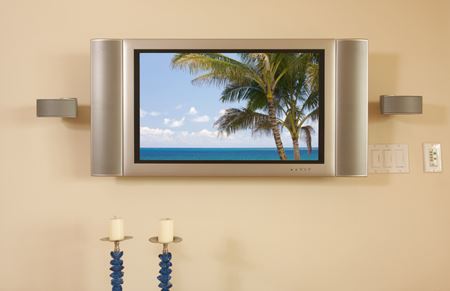
Picking the perfect spot for your TV affects comfort, safety, and how clean your space looks. If you live in Nassau or Suffolk County and want a simple answer, start with the room's purpose, your seating, and the wall's strength. When you are ready for a seamless, clean finish, our team at Wireman Cableman can provide pro setup and reliable flat TV mounting that keeps wires out of sight and screens secure.
What Flat TV Mounting in Long Island Really Comes Down To
Every home is different. Ranches in Massapequa and Levittown might have wood studs behind drywall, while older homes in Garden City or Huntington can have plaster walls that behave differently. Apartments in Hempstead, Mineola, or Patchogue may have shared walls and limited power options. The right mounting spot balances safety, viewing comfort, and easy access for streaming devices, game consoles, and sound systems.
Factor 1: Wall Type and Stud Strength in Nassau and Suffolk Homes
Your wall determines what kind of anchors you need and where the mount can sit. Drywall with wood studs is common across Long Island, but you may encounter plaster in pre-war homes or masonry in basements and garages. Always secure a TV into studs or manufacturer-approved anchors rated for your TV and mount. A wall that feels solid may still hide pipes or wires, so planning is key.
- Common wall types to verify: drywall on wood studs, plaster over lath, brick, or concrete block
- Check for obstacles like plumbing stacks, electrical lines, and HVAC chases before choosing a spot
If you are unsure what is behind the wall, a professional assessment helps prevent surprise holes or risky placements. At Wireman Cableman, our technicians handle both the bracket and the backbone, including neat cable and wire installation for a safe finish.
Factor 2: Viewing Height and Distance
Your neck and eyes should stay relaxed when watching. The center of the screen should generally align close to your seated eye level, adjusted for the room's layout and mount type. Tilt and full-motion mounts can fine-tune the angle if the TV needs to sit higher due to furniture or a mantel.
- Living rooms: align with the main sofa's eye level and keep pathways clear
- Bedrooms: consider reclining angles and glare from bedside lamps or windows
- Kitchens or multiuse spaces: a slightly higher placement may help visibility while standing
Many Long Island living rooms have large picture windows. If you love those views in Rockville Centre or Port Jefferson, plan your TV height and angle to avoid reflections during afternoon light.
Factor 3: Glare, Windows, and Lighting
Natural light from the South Shore can brighten a room and still make screens hard to see. Identify where the sun hits walls from late morning to early evening. Place the TV so it does not mirror a bay window, or use a tilt or full-motion mount to angle the screen slightly away. Reducing glare improves picture quality more than most settings on the TV, especially during Sunday games or movie nights.
Factor 4: Power, Cable, and Smart Connections
Today's smart TVs need steady power, solid Wi-Fi or Ethernet, and a plan for streaming boxes, soundbars, and consoles. When a setup looks "messy," it is often because cables are exposed or devices lack a home. With Wireman Cableman, you get cable and wire installation designed for clean lines and future add-ons. That includes thoughtful routing for smart TV installation and placements that make sense if you upgrade to a larger screen later.
A helpful guidepost is network reliability. If your router sits in a home office in Syosset or Smithtown and the signal drops in the den, a wired connection or better access point near the mount may deliver smoother streaming than Wi-Fi alone.
Factor 5: Room Use and Traffic Flow
Mounts should support how you live. In a busy family room in Bay Shore or Commack, a full-motion arm lets you swivel for game nights or fold the TV close to the wall when not in use. In tighter spaces like apartments in Westbury or Lynbrook, keeping the TV snug to the wall protects it from bumps and keeps walkways open. Leave safe clearance for doors, cabinets, and stair landings so the screen does not become a hazard.
Factor 6: Fireplace and Heat Considerations
Mounting over a fireplace looks dramatic but needs careful planning. Heat and soot can affect electronics, and the mantel's depth changes viewing angles. If you choose this route, verify heat levels when the fireplace runs and select a tilt or full-motion mount to bring the screen closer to eye level. In older homes from Oyster Bay to Babylon, mantels vary widely, so a professional site check helps confirm if this location makes sense.
Factor 7: Indoor vs. Outdoor TV Installation on Long Island
Outdoor setups are popular for summer gatherings in Wantagh, Long Beach, and along the North Shore. For a patio or cabana, look at sun exposure, wind, and salt air. Use weather-rated displays or protective enclosures and plan for GFCI-protected power and moisture-resistant cable pathways. Position the screen where it avoids direct midday sun but stays visible for late-day barbecues and fall football.
Local insight: Coastal humidity and salt air can speed up corrosion on outdoor hardware, especially near Long Beach and the South Shore. Choosing stainless or coated fasteners and sealed cable terminations helps your setup last longer.
Professional Cable and Wire Installation Matters
Flat TV mounting is only half the story. The hidden piece is how power, data, and audio lines reach your screen. Our technicians at Wireman Cableman plan the route, label connections, and create tidy service loops so upgrades are painless. If you want the cleanest look, an in-wall pathway can feed your TV while keeping every wire out of sight. For smart homes, we also account for voice assistants, mesh Wi-Fi nodes, and ARC/eARC soundbar connections.
If you want a simple way to compare options, explore how our first-rate cable and wire installation in Long Island fits your room's layout, then decide on a fixed, tilt, or full-motion mount with a soundbar bracket if needed.
How to Choose the Mount and Features
Each mount style serves a purpose. Fixed mounts keep the TV close to the wall and look clean in narrow rooms. Tilt mounts help reduce glare when the TV sits higher than eye level. Full-motion mounts offer the most flexibility, letting you pivot for open-concept spaces in places like Farmingdale or Stony Brook where people watch from multiple angles.
Think about accessories early. Soundbar brackets connect audio to the same mount for a tidy stack. Cable covers can blend with trim or paint. And if you plan to add a game console or set-top box, include a small shelf or concealed cabinet within easy remote range. Planning devices and wire paths upfront prevents extra holes and surprise reroutes later.
Smart TV Installation and Future-Proofing
Smart TVs change fast, but a well-planned mount does not have to. Leave room for a larger screen, confirm that HDMI and power cables are long enough for a future upgrade, and verify your network can handle 4K streams. If you are adding voice control or a streaming stick behind the TV, be sure the mount's frame allows access without removing the whole screen.
In multi-story homes around Glen Cove or East Meadow, it can help to centralize streaming devices in a cabinet and run a single cable path to the TV. That keeps the wall clean and makes device swaps easier down the road.
Local Layouts and Seasonal Considerations
Long Island homes often mix bright front rooms with cozier dens and basements. During winter, basements can feel cooler and more humid. Avoid mounting on walls that back to unconditioned spaces if condensation is a concern. In summer, late-day sun from the west can flood rooms in places like Hicksville or Northport, so angle and location matter for consistent viewing.
For households that host holidays, think about the crowd. Place the TV where it is easy to see from the main seating area and dining pass-throughs without blocking doorways to the kitchen or deck. A swivel mount can make quick work of these changes during parties.
Safety and Peace of Mind
Big screens are heavy, and brackets vary by rating. Avoid drilling where live electrical or plumbing lines could run, and confirm the mount's load rating covers your TV plus accessories. If you have kids or pets, keeping the TV mounted to the wall rather than on a stand reduces tip-over risk. Our team brings the right anchors and fasteners for your specific wall so your TV stays put.
When a Professional Install Is Worth It
Between stud finding, cable routing, and alignment, a pro visit saves time and avoids rework. If you also want hidden wiring, a soundbar, or an outdoor screen, combining everything in one appointment creates a single clean plan. Many homeowners from Patchogue to Plainview choose Wireman Cableman for a tidy finish and the confidence that everything is mounted and connected correctly.
If you want a quick path to a safer, better setup, schedule flat TV mounting with hidden cable options and smart device integration in the same visit.
Ready to Mount Your TV in Long Island?
Let Wireman Cableman handle the layout, mounting hardware, and professional cable and wire installation so you can just press play. Book your visit today, or call us at 516-353-1118. When you are ready, get started with our streamlined flat TV mounting service and enjoy a clean, secure setup that looks great all year.
Call Us
Connect With Us
Leave a Review

Mount It, Wire It, Connect It! Contact Our Long Island TV Mounting & Cable Service Specialists Today!